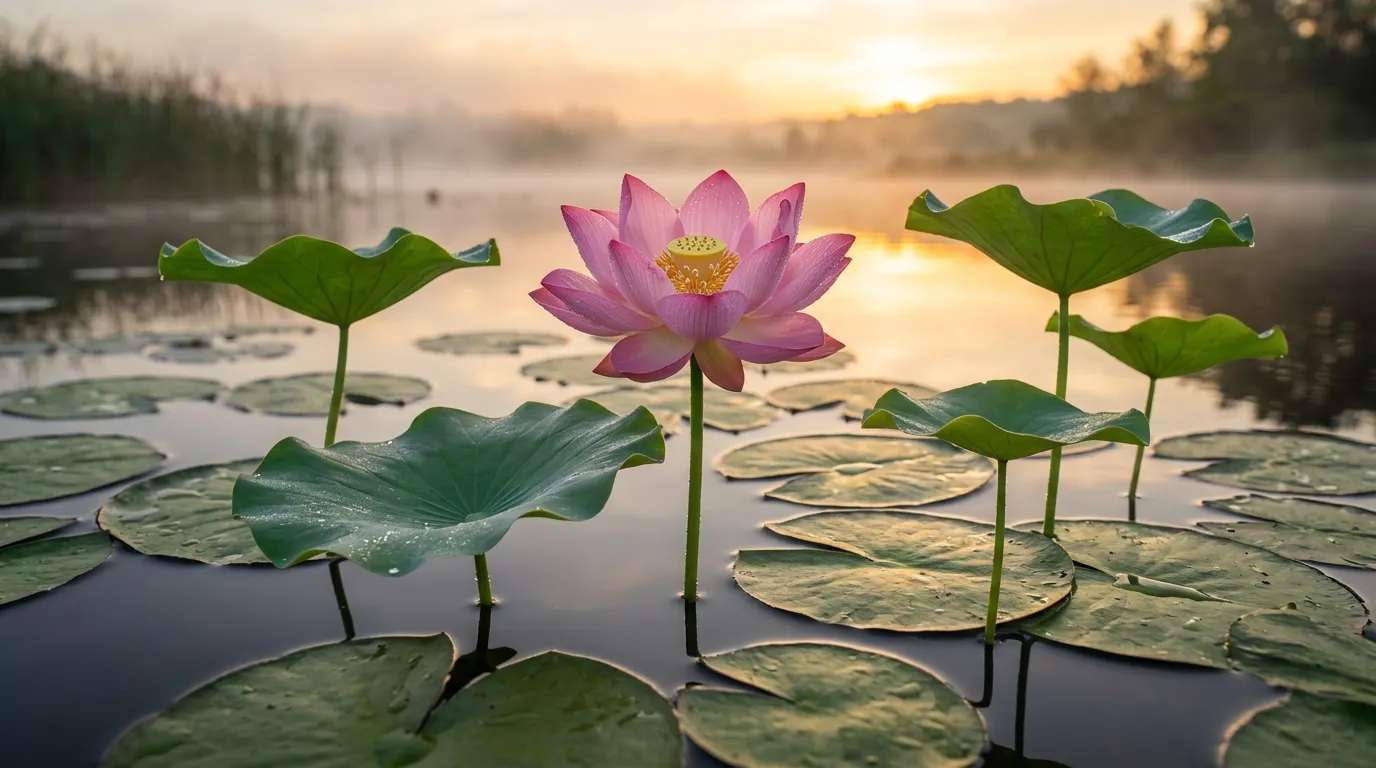
Have you ever seen a lotus flower growing in a muddy pond? It looks so clean and beautiful. Yet it grows out of dark, dirty water.
That contrast alone tells a powerful story. So, what does the lotus flower mean? The answer goes deep into history, faith, and the way humans think about life.
People all over the world have loved the lotus for thousands of years. You can find it in ancient Egyptian art.
You can spot it in Buddhist teachings. The lotus is not just a pretty flower. It carries meaning that speaks to the heart of being human.
This guide will walk you through everything you need to know.
By the end, you will understand why this simple flower has such a powerful place in the world.
What Is the Lotus Flower?
The lotus flower is a water plant. Its full scientific name is Nelumbo nucifera. It grows in shallow, muddy water in warm parts of the world. You can find it across Asia, India, and parts of Africa. The flower floats above the water on a long, strong stem.
The lotus has wide, round leaves. Its petals are soft and smooth. They can be pink, white, red, blue, or purple. Each color carries its own meaning, which we will talk about later. The flower blooms in the morning. It closes at night. Then it rises again the next day. This daily cycle is a big part of what makes the lotus so special.
The plant itself is also very useful. People eat lotus roots and seeds. They use the leaves for cooking and wrapping food. Some people use lotus parts in traditional medicine too. So the lotus is not just a symbol. It is also a real, practical plant with many uses in daily life.
Why Does the Lotus Flower Mean So Much to People?
The lotus flower means so much because of where it grows. It starts deep in the mud. The water around it is dirty. Yet the flower that rises up is spotless and bright. This is what people find so moving. The lotus shows that something beautiful can come from hard beginnings.
Also, the lotus has been around for a very long time. Scientists have found lotus fossils that are over 65 million years old. This makes the lotus one of the oldest flowering plants on Earth. Ancient civilizations saw it and were amazed. They wrote about it, painted it, and made it part of their spiritual lives.
Because the lotus appears in so many different cultures, its meaning has grown rich over time. Hindus, Buddhists, ancient Egyptians, and modern people all find something true in the lotus. It speaks to the human need to rise above hard times. That message never gets old, no matter where you live or when you were born.
How the Lotus Flower Grows and Why That Matters
The lotus starts its life as a seed at the bottom of a muddy pond. The seed waits there, sometimes for a very long time. Some lotus seeds have been found that are hundreds of years old and still able to grow. That is remarkable staying power.
When conditions are right, the seed sends up a shoot. The shoot pushes through the mud and the dark water below. It does not give up. It keeps growing upward, toward the light. This journey takes strength and time.
Next, the stem reaches the surface of the water. The bud sits on top, still closed. Then the morning comes, and the bud opens into a full, beautiful flower. The flower holds itself above the water. It does not touch the dirty surface below. Water drops slide right off its petals. This is called the lotus effect. The petals repel water naturally.
Finally, each evening, the flower closes again. It dips back down toward the water. But it does not sink. It rises again the next morning, clean and fresh. This cycle repeats every day during its blooming season. Watching that cycle, you can understand why so many people see the lotus as a symbol of renewal and hope.
Common Uses of Lotus Flower Symbolism
People use lotus symbolism in many ways. One of the most common places is in religion. In Hinduism, gods and goddesses often sit or stand on lotus flowers. The goddess Lakshmi, who stands for wealth and beauty, is almost always shown with a lotus. Lord Vishnu and Lord Brahma are also linked to the lotus in Hindu teachings.
In Buddhism, the lotus is just as important. The Buddha is often shown sitting on a fully open lotus. The lotus represents the path to enlightenment, which means reaching a state of full understanding and peace. Buddhists teach that people are like lotus flowers. Everyone has the ability to rise above suffering and bloom into something good.
People also use the lotus in art and design. You see lotus patterns in architecture, jewelry, tattoos, and clothing. In yoga, there is a sitting pose called the lotus position. People sit cross-legged in this pose to meditate. The shape of the pose looks a little like a blooming lotus flower. Also, the lotus is the national flower of both India and Vietnam. This shows how deeply it is woven into cultural identity across Asia.
Real-Life Examples of Lotus Flower Meaning in Action
You can see lotus symbolism show up in real life all around the world. In India, the lotus appears on official seals, currency, and government logos. The Indian Parliament building even has a lotus-shaped ceiling in one of its main halls. The flower is everywhere in Indian public life.
In Egypt, archaeologists have found lotus carvings in ancient temples. The blue lotus was especially important in ancient Egyptian culture. They believed the lotus was linked to the sun because it opened in the morning and closed at night. They also connected it to rebirth and the afterlife. Many paintings in ancient Egyptian tombs include lotus flowers.
In modern life, people get lotus tattoos for personal reasons. Someone who has gone through a hard time might choose a lotus to remind them that they too can rise above the mud. A parent might name their child Lotus because they want the child’s life to reflect beauty and strength. Companies use lotus logos to signal purity, growth, or natural wellness. So the lotus moves from ancient temples to modern skin art without losing its power.
What Does the Lotus Flower Mean in Different Colors?
The color of a lotus changes its meaning. A white lotus stands for purity and peace. It often appears in Buddhist art and represents a clean, calm mind. A pink lotus is the most sacred in Buddhism. It is connected to the Buddha himself and to divine love.
A red lotus stands for the heart, love, and passion. It is more connected to human emotions than to spiritual ideas. A blue lotus is linked to wisdom and knowledge. It appears often in ancient Egyptian art. In Hindu tradition, the blue lotus is connected to gods like Vishnu and Krishna.
A purple lotus represents spiritual awakening and mystery. It is less common than the others, but it carries a deep meaning. A yellow or golden lotus stands for spiritual achievement. So when you see a lotus, pay attention to its color. The color is part of the message the flower is sending.
Lotus Flower vs Similar Flowers and Symbols
Some people mix up the lotus with the water lily. They do look alike. Both grow in water. Both have round leaves and open blossoms. But they are different plants. The lotus holds its flower high above the water. The water lily rests its flower right on the water’s surface. Also, lotus roots are edible. Water lily roots are not commonly eaten. The lotus petals are firm. Water lily petals are softer and more delicate.
People also compare the lotus to the rose as a symbol of beauty and love. The rose is more connected to romantic love and Western culture. The lotus is more connected to spiritual growth and Eastern traditions. Both are powerful symbols, but they carry different feelings and histories.
The lotus is also sometimes compared to the sunflower as a symbol of hope and light. Both flowers turn toward the sun. But the sunflower follows the sun across the sky. The lotus opens each morning and closes each night. The sunflower is about chasing the light. The lotus is about returning to the light each day, no matter what.
| Flower | Grows In | Main Meaning | Cultural Roots |
| Lotus | Muddy water | Purity, rebirth, enlightenment | Hindu, Buddhist, Egyptian |
| Water Lily | Still water | Peace, calm, beauty | Global |
| Rose | Soil | Love, passion, beauty | Western cultures |
| Sunflower | Soil | Hope, loyalty, warmth | Global |
Common Mistakes and Misconceptions About the Lotus Flower
One big mistake people make is thinking the lotus and the water lily are the same plant. We covered this above, but it is worth saying again clearly. They are related plants but not the same. A lotus is not a water lily. If you call a water lily a lotus, you may confuse people who know the difference.
Another misconception is that the lotus only belongs to one religion. Some people think it is only a Buddhist symbol. But Hindus have used it for thousands of years too. Ancient Egyptians valued it deeply. Today, people of all faiths and no faith use lotus symbolism. The lotus belongs to everyone who connects with its message.
Some people also think the lotus means your life has to be perfect. They see it as a symbol of perfect purity. But the real lesson is the opposite. The lotus grows in the mud. It does not pretend the mud is not there. It rises through it. The lotus is a symbol for people who have been through hard things and kept going. That is a very different message from perfection.
What Does the Lotus Flower Mean in Yoga and Meditation?
In yoga, the lotus is everywhere. The lotus pose, or Padmasana in Sanskrit, is one of the most well-known meditation positions. You sit on the floor. You cross your legs. Each foot rests on the opposite thigh. The position calms the mind and opens the hips. Yoga teachers say it helps energy flow through the body more freely.
The lotus also appears in the chakra system, which is an ancient Indian map of energy centers in the body. Each chakra is shown as a lotus with a certain number of petals. The root chakra has four petals. The crown chakra at the top of the head has a thousand petals. The more petals, the higher the level of spiritual energy. This shows how deeply the lotus is tied to the idea of spiritual growth in Indian traditions.
What Does the Lotus Flower Mean for Personal Growth?
Many people today use the lotus as a personal symbol of growth and resilience. Resilience means the ability to bounce back after something hard happens. When someone has faced addiction, illness, loss, or abuse, they sometimes connect with the lotus story. They have been in the mud. They know what it feels like. And they are working their way toward the light.
Therapists and counselors sometimes use the lotus as a way to talk about healing. They might ask a client to think of themselves as a lotus seed. Where is your mud? What is the dirty water you grew in? What does your blooming look like? These are powerful questions. They use the lotus as a tool for self-reflection and hope.
The lotus also reminds people that growth takes time. The seed sits in the mud before it grows. The shoot pushes through the dark water before it reaches the light. There is no rushing it. This is a helpful reminder for anyone who feels frustrated that their life is not blooming fast enough.
FAQs
What does the lotus flower mean in everyday life today?
Today, the lotus flower means hope, renewal, and rising above hard times. Many people use it as a reminder to keep going when life gets tough. You see it in tattoos, home decor, jewelry, and company logos. Even if someone is not religious, they often connect with the lotus story. It speaks to the human experience in a very direct way. It says that beauty can come from the hardest places.
What does a lotus flower tattoo mean?
A lotus tattoo usually means that the person has been through something hard and has grown from it. It is a popular tattoo choice for people in recovery from addiction or trauma. It can also mean spiritual growth, beauty, or new beginnings. The color of the tattoo often adds more meaning. A pink lotus tattoo might mean love or devotion. A blue lotus tattoo might stand for wisdom or a calm mind. People choose the lotus because they want to carry its message with them every day.
Is the lotus flower lucky?
In many cultures, yes, the lotus is considered very lucky. In Hindu tradition, the lotus is linked to the goddess Lakshmi, who brings wealth and good fortune. Having a lotus image in your home is thought to invite positive energy. In Chinese culture, the lotus stands for good luck, harmony, and a happy marriage. So across several Asian cultures, the lotus carries good fortune with it. Many people keep lotus art or decorations in their homes for this reason.
What does the lotus flower mean in Buddhism?
In Buddhism, the lotus flower means the path from suffering to enlightenment. The muddy water stands for the suffering that all people face. The rise of the lotus through the water stands for the spiritual journey. The blooming flower at the top stands for full enlightenment, a state of peace and total understanding. The Buddha is often shown seated on a fully open pink lotus. This shows that he has reached the highest level of spiritual awareness. The lotus is one of the most important symbols in all of Buddhist teaching.
What does the lotus flower mean in love?
In love, the lotus often stands for deep care, connection, and spiritual union. It is not as common a love symbol as the rose. But in Hindu and Buddhist traditions, the lotus represents a love that goes beyond the surface. It speaks of a love that sees the beauty in a person even when they are going through hard times. Giving someone a lotus or a lotus-themed gift can mean that you value their inner beauty and their strength. It can also mean that your love is pure and not based only on physical attraction.
Conclusion
So, what does the lotus flower mean? At its heart, the lotus means that growth is possible even in hard conditions. It means that purity and beauty can rise from the messiest beginnings. It means that every day brings a chance to open again, fresh and new.
The lotus has carried this message for thousands of years. It has crossed cultures, religions, and continents. Hindus, Buddhists, Egyptians, and modern-day people all find truth in this one flower. That is not a coincidence. The lotus speaks to something deep and true about human life.

My name is Walt Whitman, and I proudly run Meaniingg.com. I enjoy researching and sharing meanings, biographies, quotes, and useful information that help people expand their knowledge. My goal is to create easy-to-understand content that informs, inspires, and adds value to readers around the world.