Have you ever heard someone say, That is an abomination! and wondered what they really meant?
The word abomination is strong. It carries a lot of weight. People use it in religion, in everyday talk, and even in pop culture. But what does it truly mean? And why do people use it so much?
In this article, we will break down the word abomination in a clear and simple way. We will look at its meaning, where it comes from, how it is used, and much more.
By the end, you will know exactly what this word means and how to use it the right way.
Definition and Meaning
The word abomination means something that causes great disgust or hatred. It refers to something that is deeply offensive, evil, or morally wrong. When someone calls something an abomination, they are saying it is terrible not just a little bad, but very, very bad.
The word comes from the Latin word abominari, which means to hate or to reject as a bad omen. In old times, people used it to describe things they saw as cursed or evil. Over the years, the word kept its strong meaning.
Here is a simple way to think about it. If something makes you feel sick to your stomach because it is so wrong or cruel, that thing could be called an abomination. It is not a light word. It is not like saying something is bad or not great.
The noun form is abomination. The verb form is abominate, which means to hate or loathe something deeply. The adjective form is abominable, which is a more common word many people know from phrases like abominable snowman.
Usage and Examples
People use the word abomination in many different ways. You can find it in the Bible, in history books, in movies, and in normal conversation. Let us look at some clear examples.
In a religious setting, someone might say, The text says that lying to God is an abomination. This means the act is seen as deeply sinful and offensive to God.
In everyday talk, a person might say, That new building is an abomination it looks so ugly next to the old ones. Here, the word is used to show strong dislike, but it is a little less serious. The person is using it for dramatic effect.
In history, people have used the word to describe terrible acts. A historian might write, The treatment of those prisoners was an abomination that should never be forgotten. This use shows that the act was morally wrong and deeply offensive to human values.
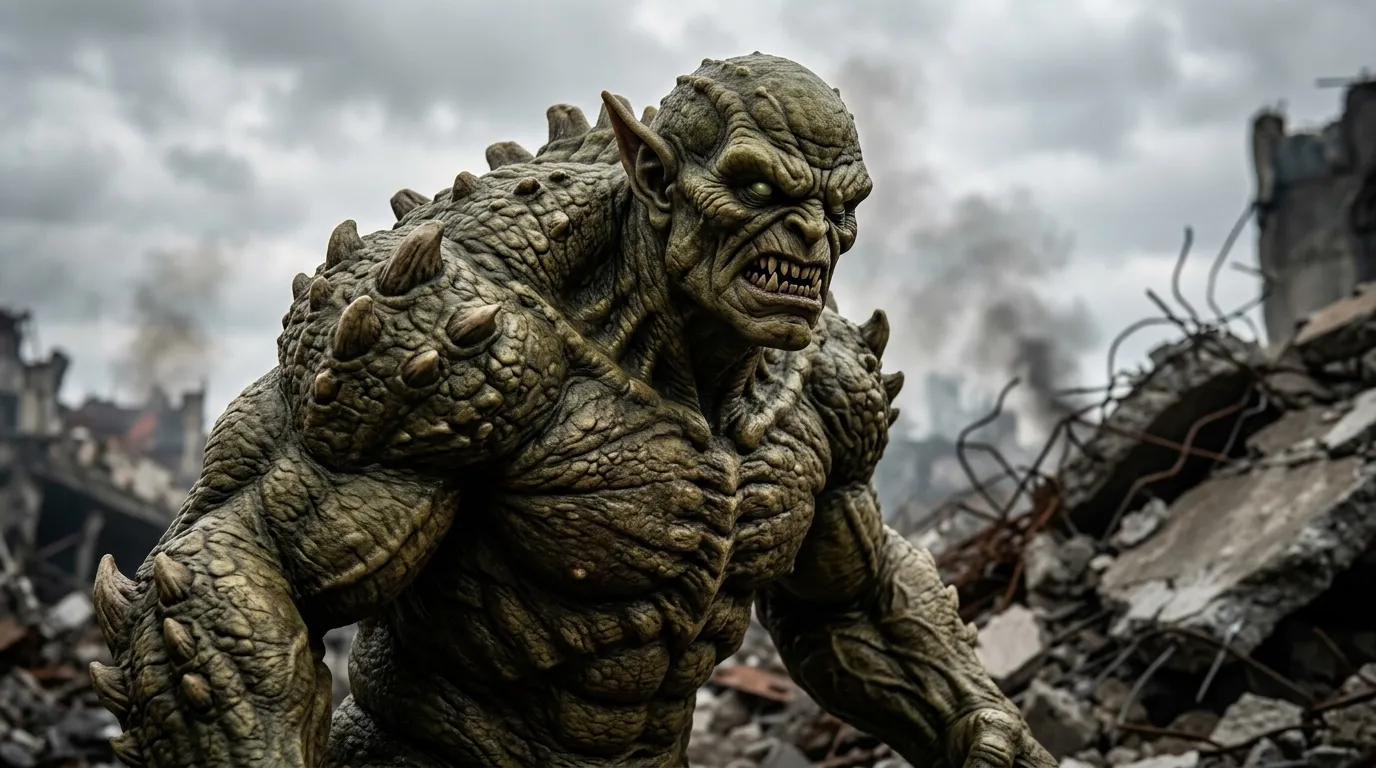
In pop culture, the word Abomination is also the name of a villain in Marvel Comics and movies. This villain is a monster huge, dangerous, and destructive. The name was chosen because the character is seen as something terrifying and monstrous.
Here is a simple table to show how the word changes form:
| Word Form | Word | Example |
| Noun | Abomination | That act was an abomination. |
| Verb | Abominate | She abominates cruelty. |
| Adjective | Abominable | That was an abominable act. |
| Adverb | Abominably | He behaved abominably. |
Common Contexts and Applications
The word abomination shows up in several key areas. Let us look at each one.
In Religion
This is where the word is most commonly found. In the Bible, the word abomination appears many times. In the Old Testament, it is used to describe acts that go against God’s law. Things like idol worship, dishonest business, and certain foods were called abominations in the old Hebrew texts. The Hebrew word used was toevah, which means something detestable or forbidden.
In the New Testament, the word also appears. One of the most well-known uses is in the phrase the abomination of desolation, which appears in the books of Matthew and Mark.
In other religions too, the idea of something being an abomination exists. It often refers to acts that go against the core teachings of the faith.
In Law and Ethics
Outside of religion, people use the word abomination to describe acts that break moral laws. Slavery has been called an abomination. Genocide has been called an abomination. Torture has been called an abomination. These are acts that almost everyone agrees are deeply wrong and should never happen.
In legal and political speech, using the word abomination is a way to show that something is not just wrong it is a crime against humanity. It adds emotional weight to the argument.
In Literature and Writing
Writers use the word abomination to create strong feelings in the reader. Horror writers often use it to describe monsters or evil events. Fantasy writers use it to describe dark magic or cursed objects.
In Pop Culture
As mentioned earlier, the word has entered pop culture in big ways. The Marvel character called The Abomination first appeared in comic books in 1967. He is a villain who was transformed into a monster through gamma radiation
People also use the word in a lighter, joking way. Someone might say, This pizza has pineapple on it it is an abomination! They do not really mean it is morally evil. They are just using the strong word for fun to show how much they dislike it.
Similar Terms and Alternatives
If you want to say the same thing as abomination but use a different word, there are several good options. Here are some of the closest ones.
Atrocity means a horrific act, often involving violence or cruelty. It is very close in meaning and is often used in news and legal talk. For example, The war crimes were a true atrocity.
Monstrosity refers to something that is monstrous or shocking in size, appearance, or behavior. It can describe a person, an act, or even a building. For example, That new construction is a total monstrosity.
Outrage means something that causes anger and shock. It is a bit softer than abomination but still strong. The unfair law was an outrage to the public.
Disgrace means something that brings shame. It is less strong than abomination but still negative. The way he treated those people was a complete disgrace.
Obscenity refers to something deeply offensive, often in a moral or sexual way.
Here is a quick comparison:
| Word | Strength | Common Use |
| Abomination | Very strong | Religion, ethics, culture |
| Atrocity | Very strong | War, crime, history |
| Monstrosity | Strong | Appearance, behavior |
| Outrage | Moderate to strong | Public reaction |
| Disgrace | Moderate | Social behavior |
| Obscenity | Strong | Moral offense, media |
Common Misconceptions
There are a few wrong ideas people have about the word abomination. Let us clear those up.
Misconception 1: It only means something ugly.
Some people think abomination is just a word for something that looks bad. But it is much deeper than that. The word is about moral wrongness, deep offense, and sometimes spiritual evil.
Misconception 2: It is only a religious word.
Yes, abomination is used a lot in religious texts. But it is not only a religious word. People use it in history, law, politics, and everyday life. You do not have to be religious to use this word or understand it.
Misconception 3: It is the same as sin.
In religious contexts, not every sin is called an abomination. The word is used for things seen as especially offensive or deeply against God’s law. It is a stronger word than sin.
Misconception 4: Using it in casual talk is wrong.
Some people think you should only use this word in serious settings. But language evolves. Today, people use it in a joking way too. Saying that haircut is an abomination is funny and dramatic, not disrespectful.
Frequently Asked Questions
What is the simple definition of abomination?
An abomination is something that causes very strong disgust, hatred, or moral offense.
Where does the word abomination come from?
The word comes from the Latin word abominari, meaning to hate or to reject as a bad omen. It has been in the English language since the 1300s.
How is abomination used in the Bible?
In the Bible, the word abomination is used to describe acts that go against God’s law. These include idol worship, pride, lying, and certain forbidden practices. It appears many times in both the Old and New Testaments.
What is the abomination of desolation?
This is a phrase from the Bible found in the books of Matthew, Mark, and Daniel. It refers to a terrible event where something evil stands in a holy place. Many Bible scholars link it to the desecration of the Jewish temple.
Is abomination a strong word?
Yes, abomination is one of the stronger words in the English language. It is not a mild word like bad or unpleasant. It signals deep moral offense or extreme disgust. When someone calls something an abomination, they feel very strongly about it.
Can abomination be used in a non-religious way?
Absolutely. People use abomination in everyday speech, in history, in politics, and even in jokes. You might hear someone call bad cooking, ugly fashion, or a poor design an abomination.
What is the difference between abomination and atrocity?
Both words refer to something terrible. But atrocity usually points to a violent act or a horrible crime, especially in war or politics. Abomination has a wider use. It can refer to moral evil, spiritual offense, or even just something deeply unpleasant. Atrocity feels more grounded in physical harm, while abomination can be spiritual or cultural too.
Conclusion
The word abomination is one of the most powerful words in the English language. It means something that is deeply wrong, disgusting, or morally offensive. It goes far beyond just calling something bad. When people use this word, they are expressing strong feelings feelings of disgust, outrage, or moral rejection.
We have seen how it shows up in history, law, politics, and even in pop culture through characters like Marvel’s Abomination. We have also seen how people use it in daily life, sometimes even in a fun or joking way.
Knowing the word abomination helps you understand the world better. When you read it in a news article, a book, or a religious text, you now know what it truly means. It is a word that tells you something is not just wrong it is terribly, deeply wrong in a way that offends human values or spiritual beliefs.
Words like this carry history, emotion, and meaning. Understanding them helps you communicate better, understand others more clearly, and think more deeply about the world around you.
So the next time you hear someone say, That is an abomination, you will know exactly what they mean and just how strongly they feel about it.

Edgar Allan Poe is the creator of Meaningg.com, a platform dedicated to sharing meaningful, informative, and reader-friendly content. With a passion for knowledge and writing, he helps readers explore words, meanings, and valuable insights in a simple way.