Many people ask, What does commonwealth mean? The word is common in history, government, law, and world affairs.
You may see it in the names of states, countries, or groups of nations. Because it is used in different ways, the meaning can seem confusing at first.
The good news is that the idea behind the word is simple. A commonwealth is a community, state, or nation that works for the good of all people.
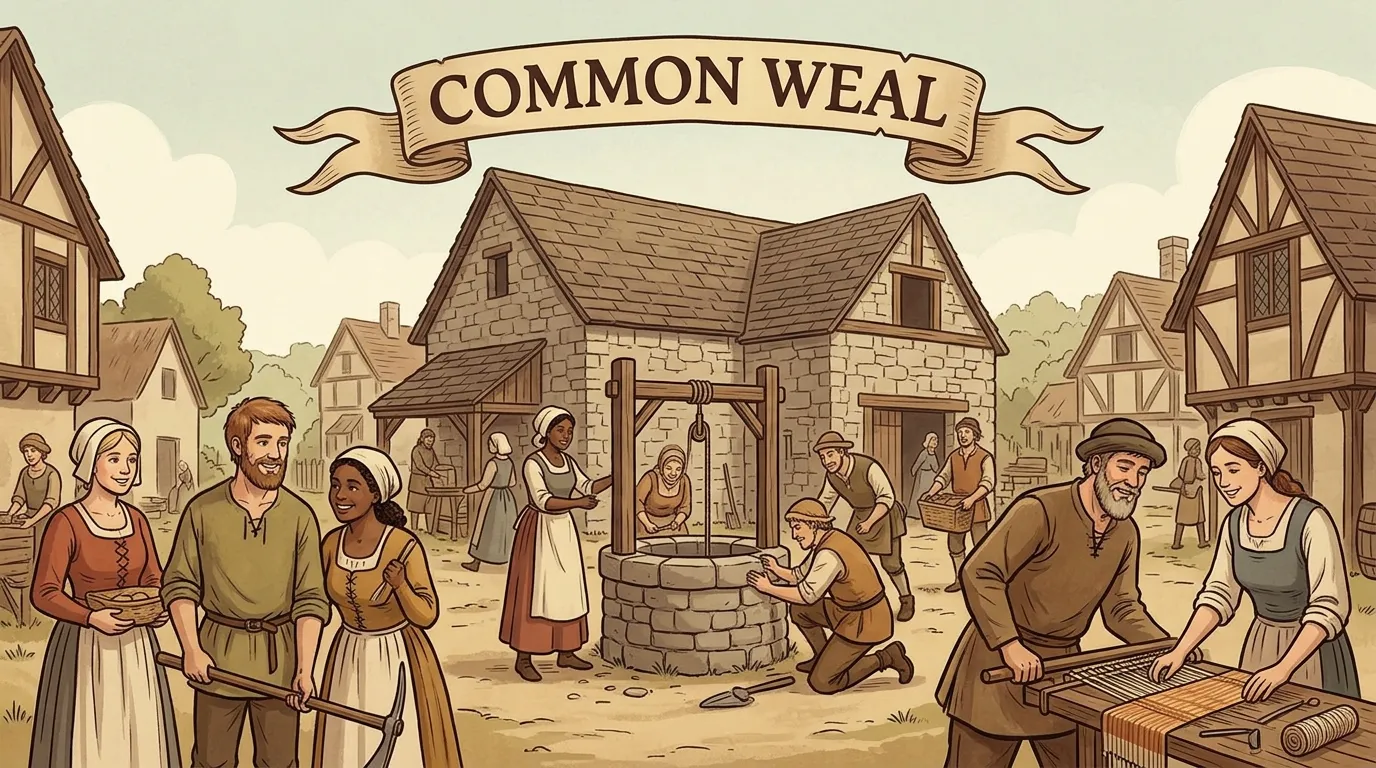
The term comes from the words common and wealth. In the past, wealth did not only mean money. It also meant well-being, safety, and success. So, commonwealth means the shared good of a community.
Today, the word has several uses. It can describe public welfare, a state government, or an international group of countries. The meaning depends on how the word is being used.
In this guide, you will learn the definition of commonwealth, its history, common uses, examples, related terms, and answers to common questions.
By the end, you will understand exactly what commonwealth means and why the word is still important today.
Definition & Meaning
The word commonwealth means a community, state, or nation that exists for the good of its people.
A simple definition is:
Commonwealth means a political community that works for the common good and welfare of its citizens.
The term comes from old English. It joins the words common and wealth. In early use, wealth meant well-being rather than money. Because of this, commonwealth originally referred to the shared welfare of all people in a society.
Over time, the meaning expanded. Today, commonwealth can refer to:
| Meaning | Simple Explanation |
| Public welfare | The well-being of all people |
| Political community | A state or nation serving its citizens |
| U.S. state title | An official title used by some states |
| Group of nations | Countries working together |
The exact meaning depends on the context.
For example:
The leaders worked for the commonwealth.
Here, commonwealth means the public good.
Another example:
Virginia is a commonwealth.
In this sentence, commonwealth is part of the state’s official title.
Because the word has more than one meaning, it is important to look at the situation in which it is used.
Usage and Examples
The word commonwealth appears in many types of writing and speech. It is often used in government, history, law, and international relations.
Here are some simple examples:
The new law was made to help the commonwealth.
This means the law was made to help society.
The country joined the Commonwealth of Nations.
Here, the word refers to an international organization.
Pennsylvania is officially called a commonwealth.
In this case, the word is part of the state’s name.
The term can also appear in everyday explanations.
Example dialogue:
A: What does commonwealth mean?
B: It means a community or nation that works for the good of all people.
A: Does it always mean a country?
B: No. Sometimes it means public welfare or a group of countries.
Here are more example sentences:
- Citizens should work together for the commonwealth.
- The government acted to protect the commonwealth.
- The commonwealth grew stronger after the reforms.
- Many nations belong to the Commonwealth of Nations.
- The court case was filed in the name of the commonwealth.
These examples show how the meaning changes based on the situation.
Common Contexts and Applications
The word commonwealth is used in several important ways. Understanding these uses helps explain why the term remains popular today.
Public Welfare
The oldest meaning of commonwealth is the well-being of society.
In this sense, the word refers to the good of all people rather than the interests of one person.
For example:
Everyone should work for the commonwealth.
This means people should help improve society.
Many old books and political writings use the word in this way. The focus is on peace, safety, fairness, and prosperity for the whole community.
Government and Politics
Commonwealth can also describe a political community.
In history, many leaders used the word to describe a government that served the people rather than a king or small ruling group.
The idea was simple. Government should work for everyone.
Because of this meaning, the term became linked with democracy, public service, and civic responsibility.
Even today, political writers sometimes use commonwealth when talking about society and government.
Commonwealth States in the United States
In the United States, four states use the title Commonwealth.
| State |
| Kentucky |
| Massachusetts |
| Pennsylvania |
| Virginia |
Many people think these states are different from other states.
This is a common misunderstanding.
In reality, these states have the same legal status as other U.S. states. The title mainly reflects history and tradition.
For example, Pennsylvania and Virginia operate like every other state in the country.
The word commonwealth simply honors the idea that government exists to serve the people.
The Commonwealth of Nations
One of the most famous uses of the word is the Commonwealth of Nations.
This is a group of independent countries that work together on shared goals.
Many member countries once had historical ties to Britain. Today, however, they are independent nations.
The organization encourages:
- Democracy
- Education
- Human rights
- Economic growth
- Peace
- Cooperation
Countries in the Commonwealth of Nations govern themselves. Membership does not take away independence.
Instead, members cooperate on projects and programs that benefit their citizens.
The organization includes countries from many regions of the world.
Legal Use
The term commonwealth also appears in legal language.
For example:
The Commonwealth versus Smith.
In this type of court case, commonwealth represents the government and the people.
The case is brought on behalf of society rather than one individual.
This use is common in states such as Pennsylvania and Virginia.
Historical Use
Historians often use commonwealth when discussing older political systems.
One famous example is the English Commonwealth of the seventeenth century.
During that period, England was governed without a king.
Because of events like this, the term became closely connected with political ideas about public welfare and government.
Similar Terms or Alternatives
Several words are similar to commonwealth.
However, each word has its own meaning.
| Term | Meaning |
| State | A political area with a government |
| Nation | A large group of people with a shared identity |
| Republic | A government led by elected representatives |
| Society | People living together in a community |
| Community | A group with shared interests |
| Federation | A union of states under one government |
These terms may sometimes replace commonwealth, but they are not exactly the same.
For example, a republic describes a form of government. Commonwealth focuses more on the welfare of the people.
Likewise, a community may be small and informal, while a commonwealth often refers to a larger political group.
Understanding these differences helps you choose the right word.
Common Misconceptions
Many people misunderstand the meaning of commonwealth.
Here are some common myths.
A Commonwealth Is Not a Different Kind of State
Some people believe commonwealth states have special powers.
This is false.
Kentucky, Massachusetts, Pennsylvania, and Virginia have the same basic legal status as other states.
The Commonwealth of Nations Does Not Control Its Members
Another misconception is that member countries are ruled by one government.
This is not true.
Each member nation is fully independent.
The organization exists to encourage cooperation, not control.
Commonwealth Does Not Mean Personal Wealth
Many people think the word is about money.
While wealth is part of the word, the meaning is much broader.
It refers to the welfare and success of society as a whole.
Commonwealth Is Not Always a Country
The word can describe public welfare, a state title, a political community, or an international organization.
It does not always mean a country.
The Word Is Still Relevant
Some people think commonwealth is an old-fashioned term.
While it has historical roots, it is still used in government, law, and international relations today.
FAQs
What does commonwealth mean in simple words?
A commonwealth is a community, state, or nation that works for the good of all people.
Why is it called a commonwealth?
The word comes from common and wealth, meaning shared well-being and prosperity.
Is a commonwealth different from a state?
In the United States, commonwealth states have the same legal status as other states. The title mainly reflects history.
What is the Commonwealth of Nations?
It is a group of independent countries that cooperate on education, democracy, development, and other shared goals.
Which U.S. states are called commonwealths?
Kentucky, Massachusetts, Pennsylvania, and Virginia use the title Commonwealth.
Does commonwealth mean wealth or money?
No. The word refers to the well-being and welfare of society, not just money.
Is commonwealth still used today?
Yes. The term is still used in government, law, history, and international organizations.
Conclusion
The answer to what does commonwealth mean? depends on the context, but the main idea remains the same. A commonwealth is a community, state, nation, or organization that focuses on the common good and the welfare of its people.
The term began as a way to describe shared well-being. Over time, it became connected with governments, states, and international cooperation. Today, the word appears in legal systems, state titles, history books, and the Commonwealth of Nations.
Although the word has several meanings, each meaning shares a common theme: people working together for the benefit of the larger community. Understanding this idea makes it easier to recognize and use the term correctly.
You see commonwealth in a history lesson, a government document, or a news article, you can now understand that it is ultimately about the welfare, success, and shared interests of society.

Edgar Allan Poe is the creator of Meaningg.com, a platform dedicated to sharing meaningful, informative, and reader-friendly content. With a passion for knowledge and writing, he helps readers explore words, meanings, and valuable insights in a simple way.